For anyone stepping into programming, writing clean and reusable code is often the biggest challenge. Beginners usually start with simple scripts but soon realize that managing growing code becomes difficult without structure. This is where understanding functions and modules makes a real difference. Learners who begin with Python Course in Trichy often focus on building logic that is not only correct but also readable and reusable, which is exactly what these concepts support in real project and interview scenarios.
Understanding the idea behind functions
Functions are reusable blocks of code designed to perform a specific task. Instead of writing the same logic repeatedly, a function lets you define it once and use it wherever needed. This improves clarity and reduces errors. Interviewers often ask why functions matter, and a simple answer is that they make programs easier to test, debug, and scale. For beginners, functions also help break complex problems into smaller, manageable parts.
How functions improve code readability
Readable code is a key quality employers look for. Functions give meaningful names to logic, making programs easier to understand at a glance. When code is split into functions, each part explains its purpose clearly. This is especially helpful during interviews or team discussions. As learners grow and compare concepts across languages during Java Course in Trichy, they notice that structured programming is a shared skill valued across development roles.
Parameters, return values, and flexibility
Functions become powerful when they accept inputs and return outputs. Parameters allow functions to work with different values, while return statements send results back to the caller. This flexibility helps avoid hard-coded logic. Interview questions often test whether candidates understand how data flows through functions. Clear explanations here show that a learner understands not just syntax, but how functions support problem-solving in real applications.
What modules mean in Python projects
Modules are files that contain related functions, variables, or classes. Instead of keeping all code in one file, modules help organize programs logically. This structure becomes essential as projects grow. Beginners often see modules as a way to keep code clean and professional. Understanding modules also helps learners read existing codebases, which is a common task in real jobs and technical interviews.
Using built-in and custom modules
Python comes with many built-in modules that solve common problems, such as math operations or working with dates. Developers can also create custom modules to reuse code across projects. Knowing when to use built-in modules versus writing your own is an important skill. Learners exploring job-focused paths like Python Course in Erode often see how modules save time and improve consistency in workplace projects.
How functions and modules work together
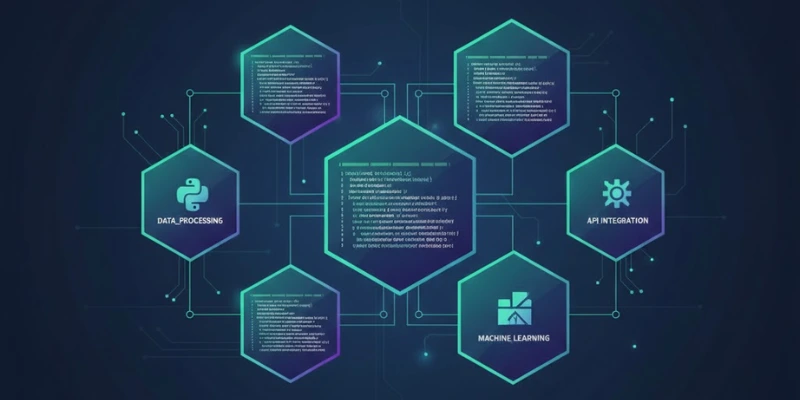
Functions and modules are closely connected. Functions live inside modules, and modules group related functions together. This combination creates clean project structures that are easy to maintain. Interviewers may ask how you would organize a medium-sized application, and this is where your understanding matters. Explaining how modules separate concerns while functions handle logic shows practical thinking beyond beginner-level coding.
Common mistakes beginners should avoid
Many beginners write long scripts without functions or place everything in a single file. This makes code difficult to debug and reuse. Another mistake is creating functions that do too much, reducing clarity. Understanding best practices early helps avoid these issues. Interviewers often value candidates who can recognize poor structure and suggest improvements, even if the solution itself is simple.
Strong foundations in functions and modules prepare learners for real-world development, not just exams or small scripts. These concepts shape how code is written, shared, and maintained in professional environments. As learners move toward advanced roles and broader programming exposure, connecting these ideas with structured learning paths like Java Course in Erode helps build future-ready skills that align with long-term career growth.
Also Check: What makes Python suited for Web Development?